Definitive Guide to Auto Sound System Installation: Recommendations, Techniques, and Tools for Optimal Sound
The "Ultimate Guide to Car Stereo Installation" provides a comprehensive overview for individuals seeking to upgrade their vehicle's audio experience. It addresses the essential factors in picking the right stereo, the necessary tools for installation, and common pitfalls to avoid. With simple, step-by-step procedures for installation and guidance on optimizing sound quality, this guide is designed to guarantee a successful upgrade. But what are the key adjustments that can improve your sound system even further?
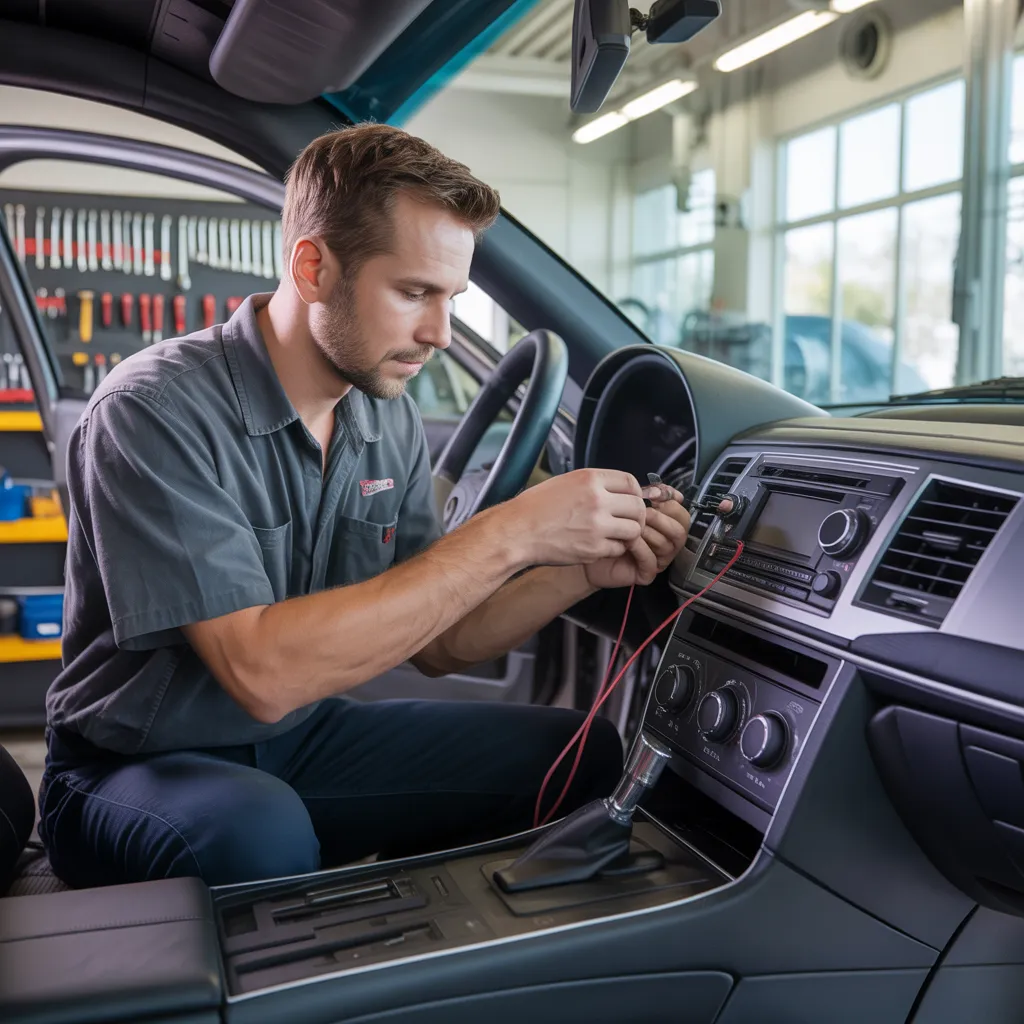
How to Choose the Perfect Car Stereo for Your Individual Needs
In selecting the finest car stereo, one must assess several key components to ensure an ideal choice. Initially, compatibility with the vehicle is critical; the dimensions and mounting style must align. Then, further information sound quality features such as equalizers and built-in amplifiers improve audio performance, addressing diverse listening preferences. Connectivity options also hold considerable importance; Bluetooth, USB, and auxiliary inputs allow seamless integration with smartphones and other devices.
Moreover, the user interface should be easy to use, allowing for easy navigation while driving. A display that is sharp and readable in various lighting conditions is also vital. Additionally, brands and models range in trustworthiness and warranty options, making research vital. Finally, budget constraints should be acknowledged, as a wide range of prices exists. By attentively examining these factors, individuals can make an informed decision that matches their audio needs and enhances their driving experience.
Necessary Tools for Car Audio Implementation
To successfully install a car stereo, having the right tools is vital. This includes basic hand tools, essential wiring accessories, and specialized installation equipment. Each of these components plays a significant role in ensuring a smooth and effective installation process.
Essential Hand Tools Required
The right tools are essential for a effective car stereo installation, as they guarantee accuracy and efficiency throughout the process. Necessary basic tools include a screwdriver set, which should encompass both flathead and Phillips heads to accommodate different screws. Wire strippers are vital for preparing wiring connections, while a pair of needle-nose pliers allows for precise manipulation of wires and connectors. A socket set is helpful for removing dashboard panels or securing components. Additionally, a utility knife can assist in cutting materials and trimming excess wiring. Finally, a multimeter is essential for testing connections and ensuring proper voltage levels. These tools collectively ensure a smooth and effective installation experience.
Essential Wiring Accessories
Wiring components are critical parts for accomplishing a professional car stereo installation. These include different connectors, such as wire crimp connectors and soldering materials, which deliver secure electrical connections. In addition, heat shrink tubing is crucial for safeguarding exposed wires from moisture and damage. Speaker wire is another significant accessory, allowing the connection of speakers to the stereo system with outstanding sound quality. Additionally, wire harness adapters simplify the installation process by presenting a plug-and-play solution for different vehicle models. Fuses and fuse holders are vital for protecting the audio system from electrical surges. Possessing these wiring accessories on hand expedites the installation process and improves the overall performance of the car audio system.
Expert Implementation Equipment
Effective car stereo installation depends on both wiring accessories but also necessitates specialized installation equipment. Essential tools include a wire stripper and crimper, which facilitate secure connections. A multimeter is essential for testing voltage and ensuring proper electrical flow, while a set of screwdrivers, especially Phillips and flathead, enables the removal and installation of various components. A dash removal tool is also necessary to prevent damaging the vehicle's interior when accessing the stereo unit. Additionally, a panel removal tool assists with detaching trim pieces without causing scratches. Finally, zip ties and adhesive mounts help with organizing wiring systematically. Employing these specialized tools can greatly enhance the efficiency and quality of the car stereo installation process.
Frequent Installation Problems to Steer Clear Of
Many novice installers encounter several common mistakes that can lead to frustrating results and potential damage to the vehicle's audio system. One common error is poor preparation, such as failing to study the installation manual thoroughly or not gathering all needed tools beforehand. In addition, improper wiring can cause short circuits or sound issues; installers should confirm connections and confirm that wiring harnesses are compatible with the vehicle and stereo model.
A frequent error is failing to properly secure components, which may result in rattling or damage when the vehicle is in motion. Ignoring soundproofing will also degrade audio quality, as vibrations from the vehicle can negatively affect sound. Lastly, some installers overlook the importance of testing the system ahead of concluding the installation. By addressing these common pitfalls, inexperienced installers can greatly enhance their chances of achieving a high-quality and successful car stereo installation.
Complete Step-by-Step Guide to Installing Your New Car Stereo
Installing a brand new car stereo may be a satisfying experience, transforming the vehicle's audio system and elevating the driving experience. To begin, disconnect the car battery to ensure safety. Then, remove the trim panel surrounding the factory stereo, using a trim removal tool to prevent damage. Afterward, unscrew the old stereo and cautiously pull it out, disconnecting the wiring harness and antenna cable.
After removal, attach the replacement stereo's wiring harness to the vehicle's harness, ensuring proper alignment of wire colors and their functions. Fasten the antenna cable to the new unit. Carefully slide the replacement stereo into the dashboard, fixing it with screws. Reinstall the trim panel and reattach the car battery.
In conclusion, turn on the replacement stereo to confirm proper operation. This structured approach guarantees a trouble-free installation process, allowing for an upgraded audio experience in the vehicle without unnecessary complications or mishaps.
How to Configure Your Stereo Settings for Best Sound Quality
Once you've completed the installation of the new car stereo, the next step requires fine-tuning the audio settings to attain superior sound quality. To begin, users should set the balance and fader settings to provide an even sound distribution throughout the vehicle. This adjustment creates a centered listening experience, stopping one side from overpowering the other.
Next, they should set the bass, midrange, and treble levels based on personal preference; typically, a balanced approach enhances clarity. Many stereos feature equalizer presets; users can try out these settings to discover the best match for their music genre.
It's also vital to establish the volume level correctly, making sure it won't distort at higher levels. Furthermore, turning on any sound enhancements or surround sound features can substantially improve the listening experience. To conclude, a test playlist that contains various music styles can help assess the overall sound quality, permitting further adjustments as necessary.
Further Enhancements to Improve Your Vehicle's Audio Quality
Upgrading a car's audio system can significantly elevate the listening experience. Speaker upgrades offer improved clarity, while incorporating a subwoofer can provide deeper bass and richer sound. Furthermore, installing sound deadening materials can reduce unwanted noise, creating a more immersive audio environment.
Speaker Upgrades for Clarity
A significant improvement in audio clarity can often be realized through careful speaker upgrades. Many car enthusiasts realize that factory-installed speakers are without the fidelity required for an immersive listening experience. Upgrading to high-quality speakers can enhance depth and clarity in sound. Options such as component speakers deliver separate woofers and tweeters, providing better sound staging and clarity. In addition, coaxial speakers are built for ease of installation while still delivering improved performance over stock options. It's important to evaluate speaker sensitivity and power handling to verify compatibility with the existing system. Finally, investing in quality speakers not only boosts clarity but also transforms the overall audio experience, making every drive more rewarding.
Subwoofer Installation Benefits
Several car audio enthusiasts learn that incorporating a subwoofer considerably enhances their listening experience. Subwoofers are developed to reproduce low-frequency sounds, offering depth and richness to music that standard speakers often fail to achieve. By incorporating deep bass, a subwoofer enhances the overall audio quality, making genres like hip-hop, rock, and electronic music more immersive.
Furthermore, subwoofers can free standard speakers from handling low frequencies, allowing them to concentrate on mid and high ranges. This separation ensures crisper sound reproduction across the entire audio spectrum.
Additionally, appropriate installation of a subwoofer can boost the dynamic range of a vehicle's sound system, converting ordinary drives into extraordinary auditory journeys. Finally, the addition of a subwoofer is a beneficial upgrade for any serious audiophile.
Sound Deadening Materials Importance
Sound deadening materials play an essential role in improving a vehicle's audio experience by decreasing unwanted noise and vibrations. These materials, often made from advanced foam, mass-loaded vinyl, or butyl rubber, are applied to various surfaces within the vehicle. By lowering road noise, engine sounds, and vibrations, they create a quieter environment that enables a clearer and more immersive listening experience. This is particularly beneficial when high-quality audio equipment, such as subwoofers and amplifiers, is installed. Moreover, sound deadening materials can elevate the overall build quality of the vehicle, decreasing rattles and extending the longevity of audio components. Purchasing sound deadening materials ultimately transforms a standard car audio system into a high-end sound experience.
Troubleshooting Tips for Car Stereo Installation Issues
Even though car stereo installation can often be uncomplicated, different challenges may occur that call for troubleshooting. One frequent issue is a absence of power to the stereo. This may be due to a blown fuse or weak wiring connections. Reviewing the fuse box and making sure all connections are secure can often fix this.
Another common issue is distorted audio, which can originate from wrong speaker hookup or speaker impedance mismatch. Confirming proper polarity and coordinating speaker specs can help restore clarity.
Additionally, if the stereo doesn't read discs or USB drives, it may indicate a dirty lens or compatibility issues. Consistent cleaning and verifying supported formats can eliminate this problem.
In conclusion, if the setup leads to unforeseen battery drain, inspecting the wiring for shorts or ensuring the unit powers down when the vehicle is off is essential. Addressing these challenges can ensure a effective car stereo installation.
Common Questions
Is Installing a Car Stereo Without Professional Help Feasible?
Yes, an individual can install a car stereo without professional help. However, success depends on their technical abilities, familiarity with tools, and comprehension of the vehicle's wiring system, which can differ substantially among various models.
How Long Does a Typical Car Stereo Installation Take?
A typical car stereo installation takes about two to four hours, depending on the car, intricacy of the system, and the person's experience. People knowledgeable about car electronics may complete it faster.
What happens if My Automobile Has a Factory-Installed Stereo?
When a vehicle has a factory-installed stereo, replacing it may require additional adapters or harnesses to connect to existing wiring. This can make more challenging the installation process but can boost audio quality and functionality greatly.
Will a New Stereo Empty My Car Battery?
An aftermarket stereo system can cause battery drainage if it pulls excess power, most notably with the engine turned off. Appropriate installation procedures and checking compatibility with your car's electrical setup can reduce the risk of battery complications.
Is It Necessary to Use an Adapter for My Car's Stereo?
Using an adapter for a car's stereo is commonly required, specifically when connecting third-party units to original wiring. Adapters ensure compatibility, preserve functionality, and simplify installation, preventing potential electrical complications and ensuring peak sound performance.